
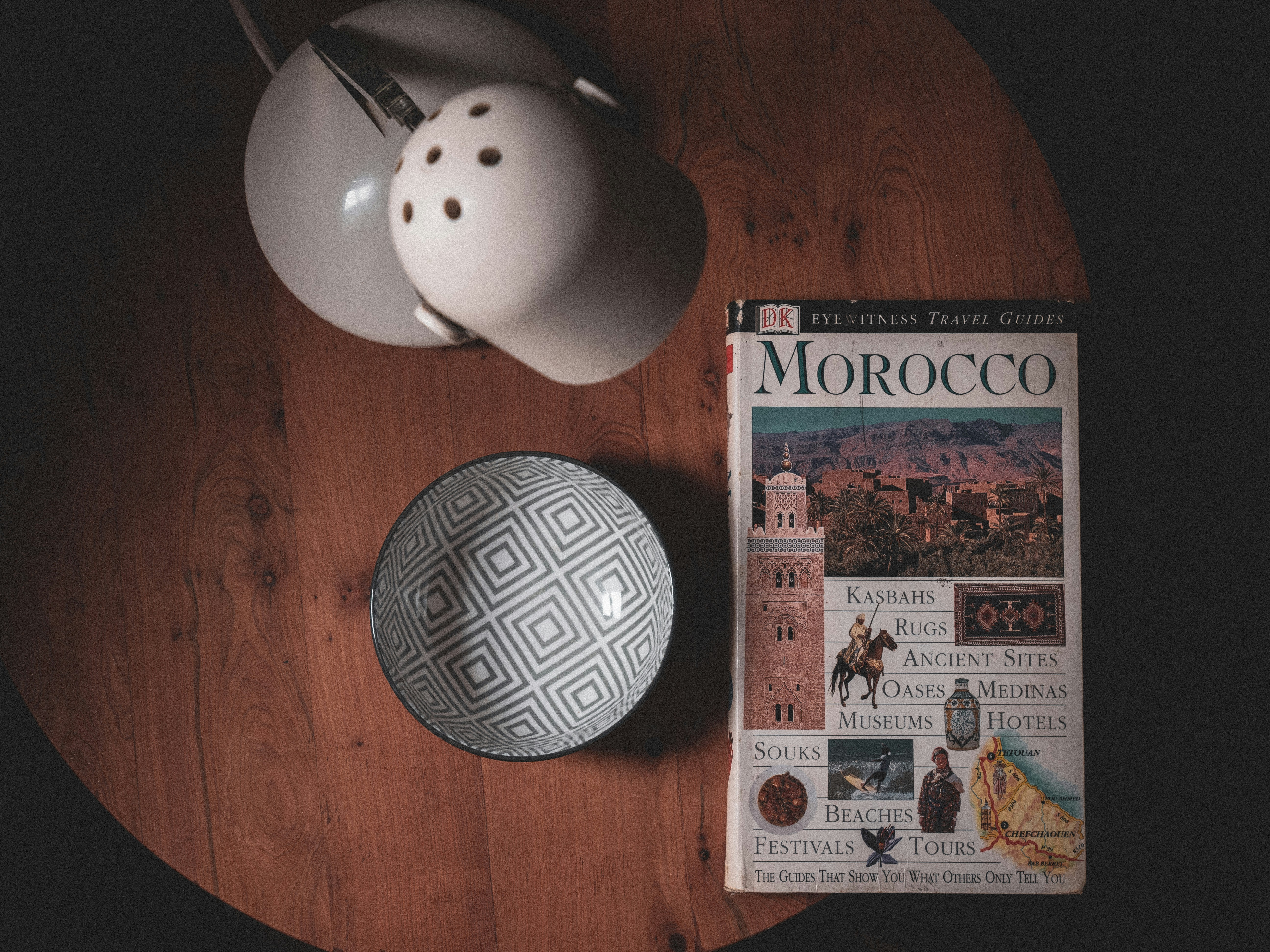
Introduction to Moroccan Tourism
Morocco serves as a captivating travel destination, rich in culture, history, and diverse landscapes. This North African nation, bordered by the Atlantic Ocean and the Mediterranean Sea, boasts a vibrant tapestry of influences from Berber, Arab, and French histories, which is evident in its architectural styles, culinary traditions, and local customs.
Marrakech, Fes, and Chefchaouen are among the most popular cities that draw in millions of visitors each year. Marrakech, known for its bustling souks, stunning palaces, and gardens, offers travelers an immersive experience into Morocco’s lively atmosphere. Fes, on the other hand, is famed for its historical significance, particularly its ancient medina, which is a UNESCO World Heritage site, showcasing intricate craftsmanship and timeless traditions. Meanwhile, Chefchaouen, often referred to as the “Blue City,” mesmerizes visitors with its blue-painted streets and serene mountain backdrop, making it a favorite spot for photography and relaxation.
The growing popularity of tourism in Morocco has significantly impacted the country’s economy, generating jobs and fostering local businesses. Tourists are immersed in unique cultural experiences, ranging from the culinary delights of traditional Moroccan cuisine to the warmth and hospitality of local people. Visitors can enjoy a variety of activities, such as exploring the vast Sahara Desert, hiking in the Atlas Mountains, or indulging in leisurely hammam experiences. Morocco’s diverse offerings ensure that every traveler, whether seeking adventure or tranquility, can find a fitting experience.
Overall, the evolution of Moroccan tourism reflects not only the allure of its landscapes and historical sites but also the commitment to preserving its unique cultural identity while welcoming visitors from across the globe. As more travelers discover the charm and hospitality of Morocco, its status as a premier travel destination continues to rise.
The Allure of Riads: What They Are and Their Significance
Riads are traditional Moroccan houses that epitomize the rich cultural heritage of Morocco. Characterized by their distinct architecture, they typically feature a central courtyard surrounded by rooms, offering an oasis of tranquility amidst the bustling streets of Moroccan cities. This architectural design is not merely aesthetic; it serves a practical purpose by providing natural ventilation and a private space for residents and visitors alike.
The significance of riads extends beyond their architectural appeal. They are deeply woven into the socio-cultural fabric of Moroccan life, often serving as the family dwelling for generations. The term ‘riad’ itself derives from the Arabic word for garden, reflecting the lush vegetation and serene environment that these homes cultivate. Their inner courtyards are usually adorned with verdant plants, water features, and intricate tile work, creating an atmosphere of calm and beauty that is synonymous with Moroccan hospitality.
Moreover, the craftsmanship seen in riads is noteworthy. Skilled artisans employ traditional methods to produce stunning mosaics, zellige tile work, and carved stucco, which embellish the interiors and exteriors of these homes. Each riad tells a story of its own, often reflecting the historical influences that shaped the region, ranging from Berber to Arab cultures.
The hospitality offered in riads enhances the overall travel experience in Morocco. Unlike typical hotels, riads provide a personalized experience, where visitors are often treated as guests of the family. This welcoming environment allows tourists to engage more intimately with Moroccan culture, tasting traditional dishes and enjoying the warmth of local customs.
In essence, riads are not just accommodations; they are a gateway to experiencing the authentic charm of Morocco, where history, culture, and hospitality converge beautifully.
Choosing the Right Riad for Your Stay
When considering accommodation options in Morocco, selecting the right riad can enhance your overall experience. Riads, traditional Moroccan homes with interior gardens or courtyards, offer an intimate and authentic atmosphere. To make an informed choice, several factors come into play that cater to personal preferences and travel needs.
Firstly, location is critical. Depending on your itinerary, you may prefer a riad situated near major attractions or, conversely, in a quieter area away from the hustle and bustle. If your objective is to explore historic sites, seek a riad in the old medina, which typically allows for easy access to cultural landmarks. Conversely, if your priority is relaxation, consider riads in less crowded neighborhoods.
Amenities are another vital aspect to assess. Different riads offer various features such as rooftop terraces, pools, or spas. Determine what matters most to you: a serene space to unwind, or vibrant communal areas for social interactions. Furthermore, check if breakfast or meals are included, as some riads provide enticing culinary options that compliment the local gastronomy.
The style of the riad is also worth considering. Some travelers preference the traditional Moroccan decor with intricate tilework, while others may lean toward a more contemporary setting. Visiting the riad’s website for images or customer reviews can provide insight into the ambiance and overall aesthetic of the property.
Lastly, budget plays an essential role in your decision-making process. Riads range from affordable to luxurious, and understanding your price range will help narrow down your choices. If possible, compare reviews on pricing versus value to ensure your selected riad aligns with your expectations.
Taking these factors into consideration will guide you in selecting the ideal riad that meets your travel aspirations and makes your stay in Morocco unforgettable.
Must-Visit Riads Across Morocco
Morocco, a country rich in culture and history, offers a unique lodging experience in riads, traditional Moroccan houses or palaces with gardens. For travelers looking to immerse themselves in the local ambiance, staying in a riad can transform a simple visit into a memorable journey. Below is a selection of must-visit riads across various cities, each providing distinctive features and a warm welcome.
In Marrakech, Riad Kniza stands out with its magnificent blend of elegance and intimacy. This riad, which dates back to the 18th century, offers beautifully appointed suites adorned with intricate Moroccan decor, alongside a stunning courtyard and pool. Guests are conveniently located near the bustling souks and historical attractions such as the Jemaa el-Fnaa square.
Moving on to Fes, Riad Laaroussa offers a tranquility that melts away the stress of travel. This heritage riad features exquisite rooms, an on-site hammam, and a rooftop terrace with breathtaking views of the city. Nestled in the heart of Fes’s medina, it serves as an ideal base for exploring the world’s oldest university and the famous tanneries.
Another noteworthy mention is Riad Dar Anika located in the historic city of Marrakech. This charming riad combines modern amenities with traditional charm and hospitality. With its pristine interiors and proximity to the Saadian Tombs, guests can enjoy both comfort and an authentic Moroccan experience.
Lastly, in Essaouira, Riad Al Zahra captures the essence of coastal living with its picturesque garden and proximity to the beach. This riad not only provides a serene environment but is also close to vibrant markets and art galleries, catering perfectly to those interested in local crafts.
visiting these recommended riads across Morocco offers travelers an opportunity to experience the authenticity and hospitality that the country is renowned for, ensuring a stay that is both enjoyable and culturally enriching.
Experiencing Moroccan Cuisine in Riads
One of the most captivating aspects of staying in a riad in Morocco is the opportunity to indulge in the country’s rich culinary heritage. Riads often feature traditional dining areas where guests can savor authentic Moroccan flavors, from vibrant tagines to sweet pastries. The dining experience begins with the customary Moroccan breakfast, which typically includes a delightful array of items such as freshly baked bread, local cheeses, olives, and a variety of jams, all accompanied by mint tea, the national beverage.
During lunch and dinner, guests can expect to be treated to an assortment of dishes that exemplify the diversity of Moroccan cuisine. One cannot visit Morocco without experiencing a fragrant tagine, a dish slow-cooked in a clay pot that allows the flavors to meld beautifully. Common ingredients include chicken, lamb, and an array of vegetables, seasoned with spices like cumin, coriander, and saffron. Another must-try dish is couscous, often served on Fridays, traditionally prepared with lamb or vegetables, and drizzled with a rich sauce.
For those inspired to immerse themselves fully in Moroccan culinary culture, many riads offer cooking classes. These sessions provide guests with hands-on experience, teaching them to prepare iconic dishes such as harira (a traditional soup), pastilla (a savory pie), and various salads. This interactive experience not only enhances one’s understanding of Moroccan cuisine but also creates lasting memories of sharing delicious meals in an enchanting environment.
Moreover, dining in a riad often allows for a more intimate experience, where guests can engage with locals, learn about the cultural significance of dishes, and enjoy meals prepared with care and passion. This personalized approach to dining underscores the essence of Moroccan hospitality that riads embody, making every meal a celebration of the country’s culinary arts.
Cultural Experiences Beyond the Walls of Riads
Staying in a riad offers a glimpse into the rich cultural tapestry that defines Morocco, but it is the experiences beyond these architectural gems that truly immerse travelers in the local way of life. Engaging in local tours is one excellent way to explore the history and cultural significance of the surrounding areas. Many guided tours are available, taking visitors through historical sites such as ancient medinas, stunning palaces, and renowned artisans’ quarters. These tours not only highlight the architectural beauty of Morocco but also provide insights into the stories that shape Moroccan identity.
Artisan workshops are another engaging cultural excursion for those looking to delve into the artistic traditions of Morocco. Participants can learn from skilled artisans in fields such as pottery, leatherworking, or textile weaving, fostering a deeper appreciation for the craftsmanship involved. These hands-on experiences allow travelers to try their hand at creating their own pieces, resulting in unique souvenirs that carry personal significance and a connection to the culture.
Market excursions provide an authentic taste of Moroccan life. The bustling souks, with their vibrant colors and enticing aromas, offer an opportunity for travelers to interact with local vendors. Navigating the maze-like market stalls, one can shop for spices, textiles, and handcrafted goods, while also honing their bargaining skills—a quintessential part of Moroccan culture. These excursions serve not only as a shopping trip but also as a means to engage with locals, fostering connections and creating lasting memories.
Engaging in these cultural experiences while staying in riads amplifies the significance of travel beyond mere sightseeing. Such immersion provides context to the beauty and complexity of Moroccan life, ensuring that visitors leave with enriched perspectives and fond memories of their journey.
The Role of Hospitality in Moroccan Riads
Hospitality holds a significant place in Moroccan culture, particularly evident in the traditional settings of riads. These charming guesthouses, often found in the heart of the historic cities, serve as a testament to the warm and inviting nature of Moroccan society. At the core of the riad experience is the personalized service, which sets it apart from other types of accommodations. From the moment guests arrive, they are often greeted with a welcoming smile, local mint tea, and perhaps some fresh pastries, marking the beginning of their immersive journey into Moroccan hospitality.
The concept of hospitality in Morocco goes beyond simple guest accommodation. It embodies a deep-rooted tradition of welcoming visitors as family. This is reflected in the meticulous attention given to ensuring comfort and satisfaction throughout a guest’s stay. Riads strive to create a homely atmosphere, where every detail contributes to an authentic experience. Such dedication often includes elaborate decor inspired by Moroccan art and architecture, creating a visually stimulating environment that complements the warm greetings and attentive service of the staff.
Moreover, the owners and staff at these riads typically share their vast knowledge of the local area, providing guests with insights that enhance their understanding of Moroccan culture. This personalized interaction not only enriches the visitors’ experiences but also contributes to a stronger connection between the travelers and the local community. The hospitality offered at riads often encourages guests to explore beyond the confines of the establishment, leading them to bustling markets, historical sites, and various cultural experiences. Therefore, the role of hospitality in Moroccan riads is not merely a service; it is a vital aspect that profoundly influences the overall experience of visitors, fostering memorable connections and cultural exchanges.
Sustainability and Responsible Tourism in Morocco
The rise in tourism across Morocco has brought about significant economic benefits; however, it has also posed various challenges, particularly regarding sustainability and the preservation of local cultures. The Moroccan tourism sector, including traditional accommodations like riads, is increasingly being called upon to adopt eco-friendly practices. Tourists now seek immersive experiences that do not compromise the environmental integrity of their travel destinations.
Riads, which are often repurposed traditional Moroccan homes, can be instrumental in promoting sustainable tourism. By opting to stay in eco-friendly riads, travelers not only support local economies but also contribute to the preservation of Moroccan heritage. Many of these accommodations are turning to renewable energy, using locally sourced materials for renovations, and employing traditional building techniques that align with environmental conservation efforts.
Travelers have the opportunity to engage in responsible tourism by choosing riads that prioritize sustainability. These establishments often provide programs that educate guests about local culture, ecological practices, and community welfare projects. By participating in authentic experiences, such as cooking classes with local families or craft workshops, visitors help to keep traditional skills alive and ensure a fair economic return to the community.
Furthermore, responsible tourism extends beyond individual choices; it encompasses broader initiatives aimed at safeguarding Morocco’s rich cultural and natural heritage. Tour operators and local businesses are increasingly emphasizing sustainable practices, including waste reduction, responsible water use, and engagement with local artisans. Such collaborations can create significant impacts, allowing tourists to enjoy Morocco’s unique offerings while ensuring that their presence does not detract from the destination’s beauty or cultural significance.
By fostering awareness and striving for sustainability, both tourists and riad owners in Morocco can play a crucial role in protecting the environment and advancing local communities. Embracing responsible tourism not only enriches the traveler’s experience but also leaves a positive imprint on Morocco’s diverse and vibrant landscape.
Conclusion: The Enduring Allure of Riads in Moroccan Tourism
In reviewing the majestic experience that riads offer, it is evident that these traditional Moroccan dwellings serve as much more than mere accommodations. They are essential gateways into the rich tapestry of Moroccan culture, showcasing the intricate artistry and hospitality that the country is famed for. The unique architectural elements and serene courtyards found in riads provide a tranquil refuge from the bustling city life, allowing travelers to immerse themselves in the essence of Moroccan heritage.
The compelling charm of staying in a riad lies in the opportunity to experience an authentic Moroccan lifestyle. Guests can relish the exquisite local cuisine, visit artisanal markets, and witness the warm hospitality that characterizes this vibrant culture. Each riad reflects a narrative of its own, meticulously crafted with traditional designs that highlight the artistry of skilled artisans. This contributes to an environment that is not only visually stunning but deeply inviting.
Tourism in Morocco blooms not just due to its spectacular landscapes and historical sites, but largely owing to the enduring allure of its riads. As travelers seek unique and memorable experiences, accommodations that provide a genuine sense of place become ever more appealing. Choosing a riad as a lodging option ensures that visitors to Morocco can engage with the local community, partake in cultural exchanges, and form lasting impressions.
For those considering a journey to Morocco, we advocate for a stay in a riad as an essential component of the travel experience. Embracing this enchanting accommodation not only enhances individual travel stories but also contributes to a greater appreciation of one of the most captivating countries in the world. Examining the myriad offerings of Moroccan riads yields an enticing invitation to explore, unwind, and connect with a culture that is as rich as it is diverse.