
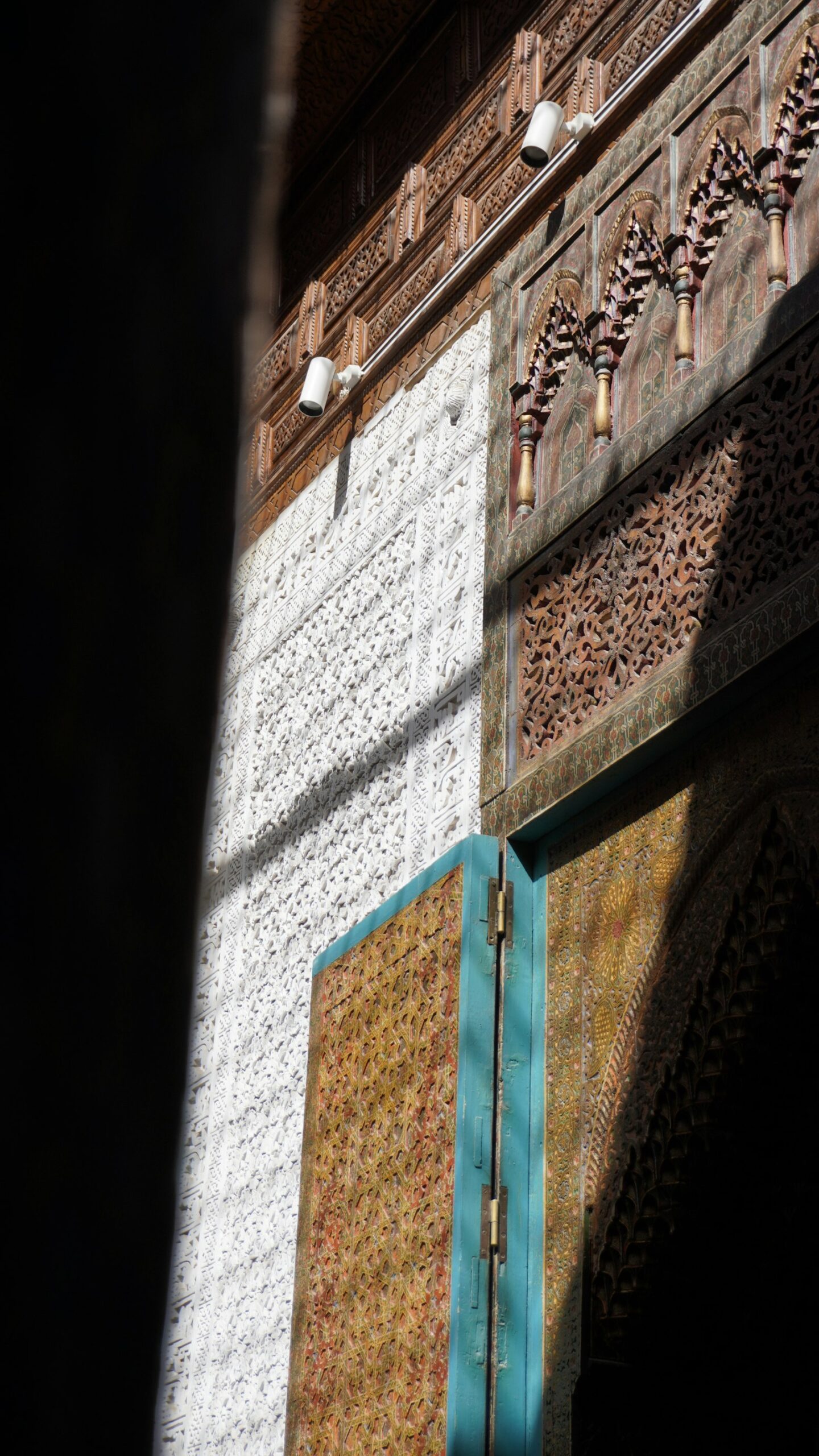
Marrakech is where most Morocco trips begin — and for good reason. No other city delivers the full sensory overload of Morocco quite so immediately: the chaos of Jemaa el-Fna square, the scent of spices in the souks, the call to prayer echoing off ancient minarets. Whether you have two days or five, this guide covers every top attraction in Marrakech, the best neighborhoods, where to stay, where to eat, and everything you need to know before you go.
Top Things to Do in Marrakech
1. Jemaa el-Fna Square
The beating heart of Marrakech and a UNESCO Intangible Cultural Heritage site. During the day: orange juice vendors, snake charmers, and henna artists. At sunset, the square transforms into one of the world’s greatest open-air theaters — dozens of food stalls materialize, storytellers gather crowds, and Gnawa musicians set up on every corner. Visit both day and evening. Eat at the numbered food stalls (look for the ones most crowded with locals — stalls 14, 31, and 32 are consistently good). Budget: Free to enter. Food: $3–8 per dish.
2. The Medina Souks
The medina’s souks are organized by craft — leatherworkers, coppersmiths, carpet sellers, spice merchants, dyers, babouche shoemakers — each in their own quarter. The most photogenic are the dyers’ souk (Souk Sebbaghine, where wool is dyed in vivid colors and hung to dry overhead) and the coppersmiths’ quarter (Souk Haddadine). Don’t feel pressured to buy. Walk confidently, make eye contact, and use “la, shukran” (no, thank you) when needed. Best visited: morning (9–11am) before the heat and the crowds peak. Budget: Free to wander; bring cash for purchases.
3. Bahia Palace
Built in the late 19th century for the grand vizier Ahmed ibn Moussa, Bahia Palace is one of the finest examples of Moroccan and Andalusian architecture in the country. The name means “brilliance” — and the carved plasterwork, painted cedarwood ceilings, and mosaic tile courtyards justify it. Allow 45–60 minutes. Book tickets online to skip the entrance line. Entry: 70 MAD ($7). Best time: 9–10am before the tour groups arrive.
4. Saadian Tombs
Discovered only in 1917 after being sealed for centuries by Sultan Moulay Ismail, the Saadian Tombs contain the remains of 66 members of the 16th-century Saadian dynasty. The main burial chamber — three rooms of intricate carved plasterwork and Italian marble columns — is genuinely breathtaking. Small site (30 minutes is enough), but the detail is extraordinary. Entry: 70 MAD ($7). Opens 9am — arrive at opening to beat tour groups.
5. Ben Youssef Medersa
The largest Islamic school in North Africa when it was built in the 14th century (expanded in the 16th), Ben Youssef Medersa is arguably the most beautiful building in Marrakech. The central courtyard — a reflection pool surrounded by carved plasterwork, zellige tile, and carved cedarwood screens rising three stories — is one of those spaces that silences visitors. Allow 45 minutes. Entry: 70 MAD ($7). Closed Fridays.
6. Majorelle Garden & Yves Saint Laurent Museum
French painter Jacques Majorelle spent 40 years creating this botanical garden in the 1920s–1960s. Yves Saint Laurent and Pierre Bergé purchased it in 1980, rescued it from demolition, and are buried here. The electric blue “Majorelle Blue” that covers the studio and pots is instantly iconic. The adjacent Yves Saint Laurent Museum (opened 2017) is world-class. Book both in advance online — they sell out weeks ahead in high season. Majorelle Garden entry: 150 MAD ($15). YSL Museum: 100 MAD ($10). Best time: 8am at opening or after 5pm.
7. Koutoubia Mosque
The 12th-century Koutoubia Mosque is the largest mosque in Marrakech and the architectural template for the Giralda in Seville and the Hassan Tower in Rabat. The 70-meter minaret is visible from most of the city. Non-Muslims cannot enter, but the gardens surrounding it are open and beautiful, particularly at sunset when the tower is lit against the sky. Free to visit the exterior gardens.
8. El Badi Palace
What was once described as one of the most magnificent palaces in the world is now a vast, haunting ruin. Sultan Ahmed al-Mansour built El Badi in the 1590s using materials including gold, onyx, and Italian marble; it was stripped by Moulay Ismail 100 years later to build his palace in Meknes. What remains — crumbling walls, sunken gardens, stork nests on every parapet — is strangely moving. Entry: 70 MAD ($7). Allow 45 minutes.
9. A Traditional Hammam
A hammam (traditional Moroccan steam bath) is a non-negotiable experience. Budget option: local neighborhood hammam ($2–4, bring your own kessa scrubbing glove and black soap). Mid-range: a hammam geared to tourists with English-speaking staff and full massage service ($20–50 per person). Highly recommended hammams in Marrakech: Hammam de la Rose, Les Bains de Marrakech, and Hammam El Bacha (the most historic, dating from 1917).
10. Day Trips from Marrakech
Ourika Valley (45 miles south): Berber villages at the foot of the High Atlas, the Setti-Fatma waterfalls, and lunch beside a mountain river. Half-day or full-day trip. $30–60/person on a shared tour.
Aït-Benhaddou (125 miles east): The most famous UNESCO-listed ksar in Morocco, filming location for Gladiator, Game of Thrones, and dozens of other productions. Full-day trip from Marrakech. $60–100/person on a guided tour.
Essaouira (110 miles west): Atlantic port city, Portuguese ramparts, art galleries, fresh seafood. Full-day or overnight trip. $25–40/person by CTM bus (2.5 hours each way).
Best Neighborhoods in Marrakech
The Medina (Old City)
Where you should stay and spend most of your time. The UNESCO-listed medina contains virtually all the historic monuments, the souks, and the vast majority of authentic riads. Staying inside the walls means walking everywhere — no taxis needed for most sights.
Gueliz (New City)
The French-built modern district, 15 minutes walk from the medina. Wide boulevards, international restaurants, wine bars, pharmacies, and ATMs. Less atmospheric than the medina, but useful as a base for travelers who want a quieter experience with easier navigation.
Kasbah
The southern quarter of the medina, close to El Badi Palace and the Saadian Tombs. Quieter and less touristy than the main souk area. Good selection of mid-range riads.
Where to Stay in Marrakech
Staying in a riad inside the medina is the quintessential Marrakech experience. These converted traditional courtyard houses offer more character and authenticity than any chain hotel — and often at very competitive prices. For a full breakdown of the best riads by budget and style, see our best riads in Morocco guide.
| Budget | Price/Night | What to Expect |
|---|---|---|
| Budget | $30–60 | Simple guesthouse, shared bathroom, basic breakfast |
| Mid-range | $70–130 | En-suite riad, rooftop terrace, Moroccan breakfast included |
| Upscale | $150–300 | Boutique riad, pool, excellent service, central location |
| Luxury | $300–800+ | Private riad, plunge pool, butler service, gourmet dining |
Where to Eat in Marrakech
Best budget meal: Harira soup (spiced tomato and lentil, $1) and msemen flatbread ($0.50) from the stalls around Bab Doukkala gate — where locals eat, not tourists.
Best mid-range: Le Jardin (hidden garden restaurant in the medina, beautiful setting, excellent pastilla and tagine, $20–35/person). Nomad (modern Moroccan rooftop, $25–40/person).
Best splurge: La Mamounia dining rooms ($80–150/person). For something more intimate, book a private dinner at a luxury riad — often the best meal you’ll have in Morocco.
Marrakech Practical Information
| Detail | Information |
|---|---|
| Getting there | Marrakech Menara Airport (RAK) — direct flights from JFK, Dulles, and major European hubs |
| Airport to medina | Grand taxi: 150–200 MAD ($15–20), 20 minutes |
| Best time to visit | March–May and September–November; avoid July–August (extreme heat, 100°F+) |
| How many days needed | Minimum 2 days; ideally 3 full days |
| Currency | Moroccan Dirham (MAD). $1 ≈ 10 MAD. ATMs throughout the city. |
| Safety | US State Department Level 1. Petty theft in crowds; no significant violent crime against tourists. |
| Language | Arabic (Darija dialect), French. English widely spoken in tourist areas. |
Marrakech 2-Day Suggested Schedule
Day 1 morning: Saadian Tombs at 9am (before crowds) → Bahia Palace → Ben Youssef Medersa. Lunch near Bab Doukkala gate. Afternoon: souk exploration (dyers → coppersmiths → babouche slippers). Late afternoon: Majorelle Garden (pre-booked). Evening: Jemaa el-Fna at sunset → dinner at food stalls.
Day 2 morning: Koutoubia Mosque gardens → El Badi Palace. Lunch: Nomad or Le Jardin rooftop. Afternoon: YSL Museum → hammam experience. Evening: riad rooftop dinner or cooking class.
Frequently Asked Questions About Visiting Marrakech
How many days do you need in Marrakech?
Two full days is the minimum to cover the main monuments and experience the medina. Three days gives you time for a day trip (Ourika Valley or Essaouira) and a more relaxed pace. If Marrakech is your only Morocco destination, plan for 4–5 days.
Is Marrakech safe for tourists in 2026?
Yes. Marrakech is one of Morocco’s most visited cities and receives millions of international tourists annually. The US State Department rates Morocco Level 1 (Exercise Normal Precautions). Standard city precautions apply: watch your belongings in crowds, be aware of scams around Jemaa el-Fna (unofficial “guides” who attach themselves to tourists), and use established petit taxis with meters.
What is the best time to visit Marrakech?
March to May and September to November. Temperatures are comfortable (65–85°F), the light is beautiful, and the city is lively without being overwhelmed. July and August are brutally hot (regularly above 100°F in the medina) and best avoided unless you’re planning to spend significant time at a pool or air-conditioned hotel.
Do I need to dress conservatively in Marrakech?
Cover shoulders and knees when visiting mosques and religious sites. In the medina’s streets and souks, Western dress is increasingly normalized, though more conservative clothing is respectful and reduces unwanted attention. In Gueliz and hotel pools, standard Western dress is entirely fine.
What should I not miss in Marrakech?
The non-negotiables: Jemaa el-Fna at sunset, the souks in the morning, Ben Youssef Medersa, and the Majorelle Garden. A hammam experience rounds out the authentic Marrakech visit. If you have time, add Bahia Palace and the Saadian Tombs.